Rapid Prototyping of Digital Systems: SOPC Edition
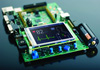
Here is a laboratory workbook filled with interesting and challenging projects for digital logic design and embedded systems classes. The workbook introduces you to fully integrated modern CAD tools, logic simulation, logic synthesis using hardware description languages, design hierarchy, current generation field programmable gate array technology, and SoPC design. Projects cover such areas as serial communications, state machines with video output, video games and graphics, robotics, pipelined RISC processor cores, and designing computer systems using a commercial processor core.
Why Read This Book
You will get a hands‑on, project‑driven introduction to modern FPGA‑based system design and SoPC (system-on-a‑programmable‑chip) workflows, learning how to go from HDL and simulation to a working embedded system with video, communications, robotics, and a soft processor. The book’s laboratory style forces you to apply CAD tools, logic synthesis, and firmware together, so you’ll build practical skills for rapid prototyping of custom digital systems.
Who Will Benefit
An undergraduate or early-career embedded systems engineer or EE student who wants guided, laboratory‑style projects to learn FPGA design, HDL synthesis, SoPC integration, and embedded firmware development.
Level: Intermediate — Prerequisites: Basic digital logic (combinational and sequential circuits), familiarity with C programming, and introductory knowledge of hardware description languages (Verilog or VHDL) or willingness to learn them alongside the labs.
Key Takeaways
- Use FPGA CAD flows to simulate, synthesize, and implement HDL designs on real hardware
- Assemble SoPC systems by integrating soft processor cores (e.g., commercial processor IP) with custom peripherals
- Design and implement common peripherals and interfaces such as UART/serial, video output, and simple graphics engines
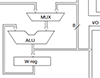
- Build and pipeline a simple RISC processor core and understand tradeoffs in datapath and control
- Develop firmware that runs on soft processors and bridges hardware/software boundaries in embedded systems
- Apply project‑level design practices: hierarchy, testbenches, timing considerations, and board‑level prototyping
Topics Covered
- Introduction to Rapid Prototyping and the Lab Workbook
- Overview of FPGA Technology and SoPC Concepts
- CAD Tools: Simulation, Synthesis, and Implementation (ModelSim, Quartus/SOPC Builder)
- Hardware Description Languages and Design Hierarchy (Verilog/VHDL basics and testbenches)
- Combinational and Sequential Logic Projects
- Serial Communications and Peripheral Interfaces
- State Machines, Video Output, and Graphics Projects
- Designing Simple Video Games and Display Controllers
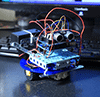
- Robotics and Embedded I/O Interfacing
- Pipelined RISC Processor Core Design and Implementation
- Integrating a Commercial Soft Processor Core (SoPC) and System-Level Design
- Firmware Development for Soft Processors and Hardware/Software Co‑design
- Capstone Projects and Advanced Laboratory Exercises
- Appendices: FPGA Boards, Tool Setup, and Reference Material
Languages, Platforms & Tools
How It Compares
Similar in hands‑on intent to Pong P. Chu’s FPGA prototyping texts but more lab‑work and SoPC‑focused; compared to Harris & Harris’s Digital Design texts, Hamblen emphasizes practical FPGA/CAD projects and processor integration rather than textbook theory.