Beginner's Guide to Programming the PIC24/dsPIC33: Using the Microstick and Microchip C Compiler for PIC24 and dsPIC33
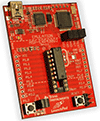
Thomas Kibalo, who has written many articles for Nuts & Volts magazine, delivers the beginner's book many have been looking for: Beginner's Guide to Programming the PIC24/dsPIC33. Using the low cost Microchip Microstick module with PIC24HJ128GP502 and the free to download lite version of MPLAB C Compiler for PIC24 MCUs and dsPIC MCUs, Kibalo takes you step by step through the fundamentals of programming the PIC24H which can equally be applied to the dsPIC33. His clear explanation of the inner workings make learning the PIC24H/dsPIC33 16 bit architecture easy. His code examples demonstrate how to perform the functions most applications require. The hardware is shown in simple breadboard setup so even a beginner can build along with very few extra components needed.
Why Read This Book
You should read this book if you want a concise, hands‑on introduction to Microchip's 16‑bit PIC24/dsPIC33 line: it walks you through real breadboard projects using the low‑cost Microstick and the free MPLAB C toolchain, while explaining the underlying 16‑bit architecture in plain language. You’ll come away able to build and program basic embedded applications and understand common peripherals and interrupts on PIC24/dsPIC33 devices.
Who Will Benefit
Hobbyists, students, and embedded engineers transitioning from 8‑bit PICs or starting with 16‑bit Microchip MCUs who want practical, project-based guidance to get hardware and firmware working quickly.
Level: Beginner — Prerequisites: Basic C programming (variables, loops, functions) and fundamental electronics skills (breadboarding, Ohm's law, basic measurement).
Key Takeaways
- Set up and program the Microchip Microstick with PIC24HJ/dsPIC33 devices using MPLAB and the PIC24/dsPIC C compiler.
- Configure device fuses, oscillators, and power settings for reliable 16‑bit MCU operation.
- Use GPIO, timers, interrupts, ADC, and PWM peripherals to build common embedded functions.
- Implement serial communication (UART) and basic synchronous interfaces to connect peripherals.
- Debug and prototype circuits on a breadboard and integrate simple projects with minimal external components.
Topics Covered
- Introduction & Tools: Microstick, MPLAB and compiler setup
- Overview of PIC24/dsPIC33 16‑bit architecture
- Getting started: first project and breadboard wiring
- Digital I/O and LED/button interfaces
- Timers, delays and scheduling basics
- Interrupts and interrupt service routines
- Analog inputs: ADC and simple signal measurement
- Pulse‑width modulation and basic motor/LED control
- Serial communications: UART (and simple examples of SPI/I2C)
- Memory, EEPROM and persistent storage basics
- Practical projects and step‑by‑step builds
- Troubleshooting, debugging tips and appendices (datasheets, reference)
Languages, Platforms & Tools
How It Compares
Compared with Lucio Di Jasio's 'Programming 16‑bit PIC Microcontrollers in C', Kibalo's book is more beginner‑friendly and project oriented with Microstick examples, whereas Di Jasio goes deeper into architecture and advanced techniques.