




EmbeddedRelated.com
Jacob Beningo
Live online course · Jacob Beningo
AI for Embedded Developers
$100 off for EmbeddedRelated readers until Dec 6 · 5 live sessions, Dec 7-11
Discount ends in
28days 02hrs 19min 27sec
Learn More →
ASE-8.000MHZ-L-C-T

ASE-8.000MHZ-L-C-T

Abracon LLC
8 MHz XO (Standard) CMOS Oscillator 3.3V Enable/Disable 4-SMD, No Lead
Active15,344 in stock

Overview

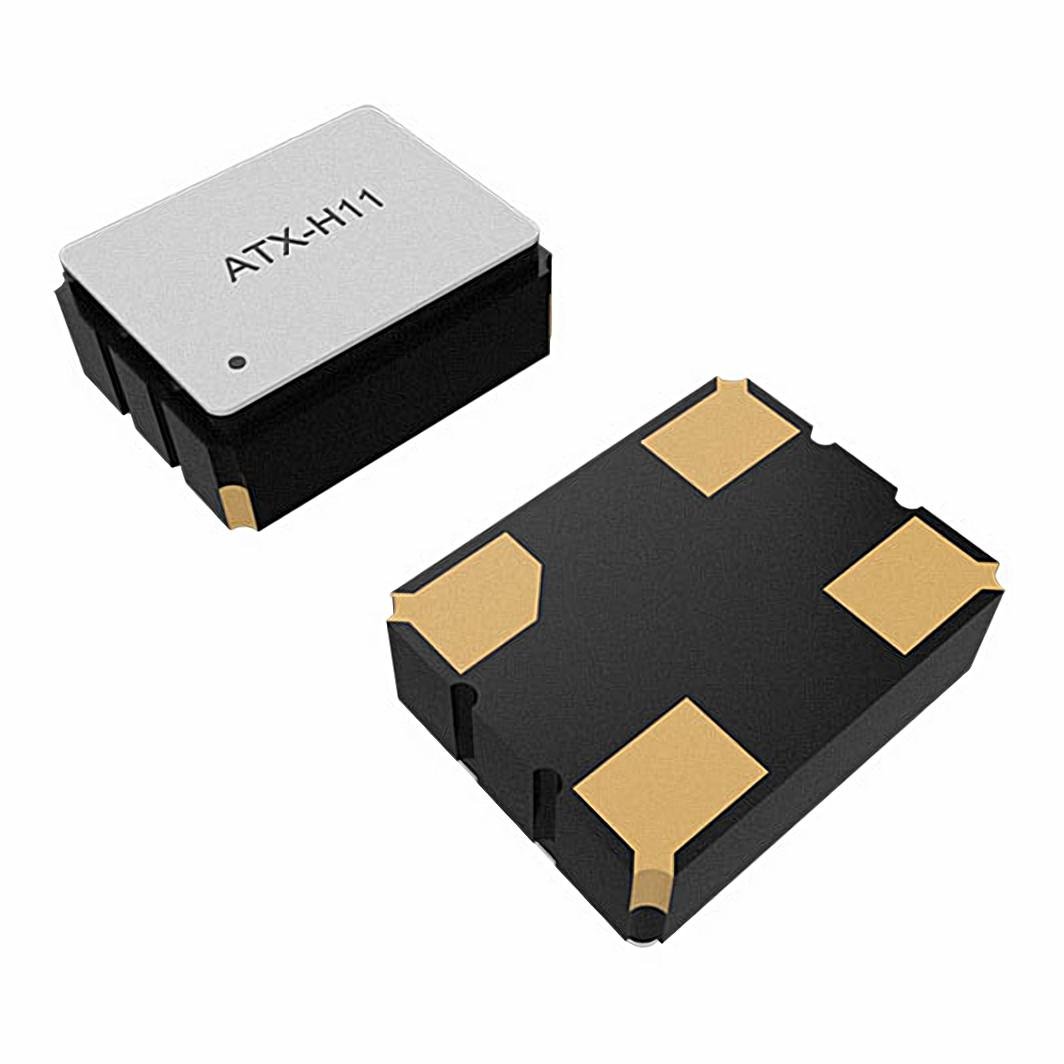
The ASE-8.000MHZ-L-C-T is a 3.3V surface-mount crystal oscillator (XO) that provides a stable 8 MHz CMOS clock signal. It features an integrated crystal and drive electronics in a compact 3.20mm x 2.50mm package, simplifying timing design by removing the need for external load capacitors or complex Pierce oscillator tuning.

Why Choose This Part

This oscillator offers a tight +/-50ppm frequency stability across an industrial temperature range of -40C to +85C. The 3.2mm x 2.5mm footprint is a standard industrial size that balances space savings with ease of assembly, while the Enable/Disable function allows for power-down modes in battery-sensitive designs.

Applications

Microcontroller Clocking
Provides a precise 8 MHz external clock source for MCUs that require higher timing accuracy than internal RC oscillators for UART, CAN, or USB timing.
System Reference Clock
Functions as a stable timebase for digital signal processing chains and communication peripherals in industrial control systems.
General Purpose Logic
Driving synchronous state machines or FPGA logic blocks that operate within the 8 MHz frequency domain.

Key Specifications

Type XO (Standard)
Output CMOS
Function Enable/Disable
Frequency 8 MHz
Mounting Type Surface Mount
Base Resonator Crystal
Package / Case 4-SMD, No Lead
Size / Dimension 0.126" L x 0.098" W (3.20mm x 2.50mm)
Voltage - Supply 3.3V
Frequency Stability +/-50ppm
Height - Seated (Max) 0.047" (1.20mm)
Operating Temperature -40degC ~ 85degC
Current - Supply (Max) 7mA
Supplier Device Package 4-SMD (3.2x2.5)

Getting Started

To use this device, provide a stable 3.3V supply to Pin 4 and ground Pin 2. Pin 1 is the Tri-state Enable pin; pulling it high or leaving it floating enables the 8 MHz output on Pin 3, while pulling it low disables the output for power savings.