





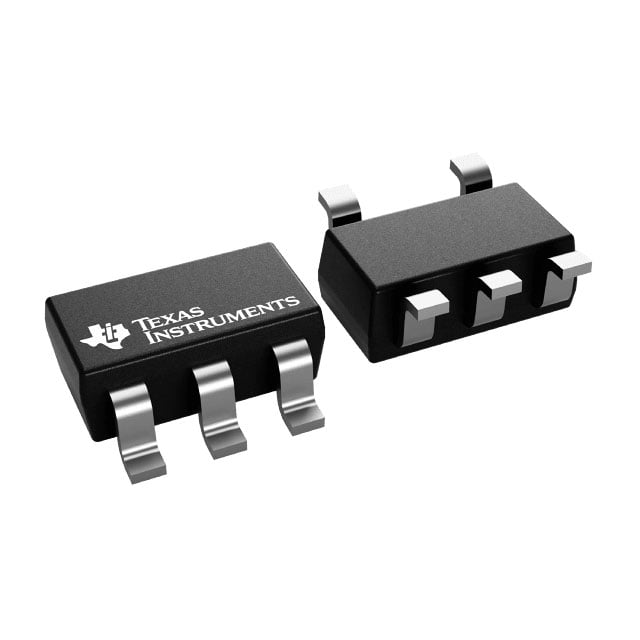
TIINA293A5QDBVRQ1
Overview
The INA293A5QDBVRQ1 is an automotive-qualified, ultra-precise current sense amplifier capable of monitoring shunt voltage drops across a wide common-mode range of -4 V to +110 V. It features a high 500 V/V fixed gain and is designed for high-side or low-side sensing in systems requiring high-speed transient detection and functional safety compliance.
Why Choose This Part
This amplifier offers exceptional DC precision with a typical offset voltage of 15 uV and a high DC-CMRR of 160 dB, ensuring accuracy even at low sense voltages. Its wide operational common-mode range and 120 V survival rating provide significant robustness against inductive kickback and high-voltage spikes.
Applications
Key Specifications
Getting Started
Evaluation can be performed using the INA293EVM evaluation module, which allows for quick prototyping with various shunt resistor sizes. When designing the PCB, place a 0.1 uF bypass capacitor as close to the supply pin as possible and use Kelvin connections for the shunt resistor to maintain gain accuracy.


