





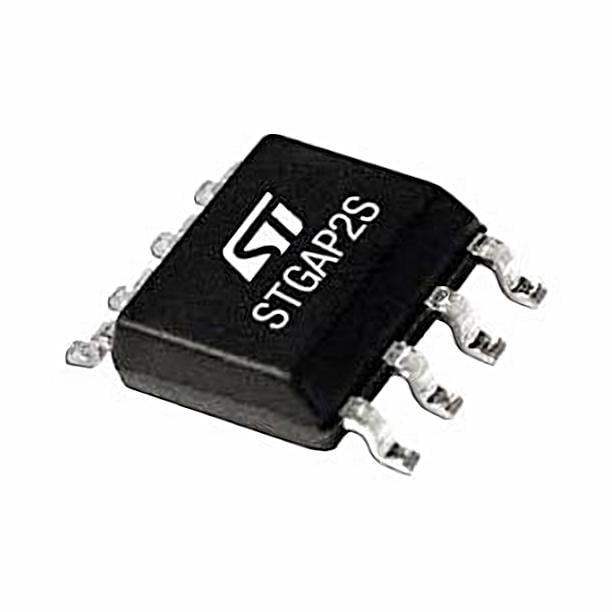
 M24C01-RMN6TP
Overview
The M24C01-RMN6TP is a 1Kbit serial I2C EEPROM organized as 128 x 8 bits, designed for reliable non-volatile data storage in space-constrained applications. It operates over a wide voltage range of 1.8V to 5.5V and supports a 400 kHz clock frequency, making it compatible with most standard low-voltage microcontrollers. This device is particularly noted for its extreme durability, featuring a write cycle rating of 4 million cycles and data retention exceeding 200 years.
Why Choose This Part
This EEPROM offers exceptional endurance with more than 4 million write cycles and superior long-term reliability with 200-year data retention. Its very low standby current of 1 uA and operating current of 0.8mA at 1.8V make it ideal for battery-powered designs. The inclusion of a full-array hardware write-protect pin provides robust data security against unintended overwrite operations.
Applications
Key Specifications
Getting Started
To integrate this part, connect the SDA and SCL lines to your microcontroller I2C bus with appropriate pull-up resistors and tie the WP pin to ground for write access. Software implementation involves standard 7-bit I2C addressing and 8-bit word addressing to access the 128 available bytes. For development, any I2C-enabled platform like an Arduino or STM32 Nucleo board can be used with standard Wire or HAL libraries.


